A Texas roof insurance claim usually moves through five stages: document the damage, report it to your insurer, meet the adjuster, receive the insurer's decision and scope, then repair and close out. Your insurance company decides what is covered. A roofing contractor's job is the evidence: photos, measurements and an itemized scope, never negotiating the claim.
We document storm-damaged roofs across north Houston, which means we see a lot of claims from the roof side. The homeowners who have the smoothest experience are rarely the ones with the most damage. They are the ones who understood the process before the adjuster showed up. Here is that process, stage by stage, with the parts of Texas law that shape it.
Who does what on a Texas roof claim?
Three different roles get confused constantly, and the confusion is where most bad experiences start.
| Role | Works for | What they do |
|---|---|---|
| Insurance company adjuster | Your insurer | Inspects the loss and recommends what the policy pays |
| Public adjuster | You, for a fee | Licensed by TDI to represent policyholders; TDI says fees can be up to 10% of what the insurer pays |
| Roofing contractor | You, for the roof work | Documents damage, writes an estimate, answers technical questions, builds the approved work |
Texas draws a hard line on that last row. A roofer may not act as a public adjuster, or advertise claim handling, on a property it is working on (Insurance Code §4102.163, summarized by TDI in Roofing and insurance: know the law). Contractors can provide estimates and discuss them with your insurer. They cannot negotiate your settlement. Storm Bolt Roofing stays on the contractor side of that line.
What should be documented before I file a roof claim?
The goal is a record that someone who never stood on your roof can follow. A thorough documentation file from us includes:
- Drone and ladder photos of every slope, labeled by direction
- Close-ups of hail hits, creased or missing shingles, damaged vents, flashing and soft metal
- Roof measurements: squares, pitch, ridges, valleys, eaves and penetrations
- An itemized, line-by-line contractor scope
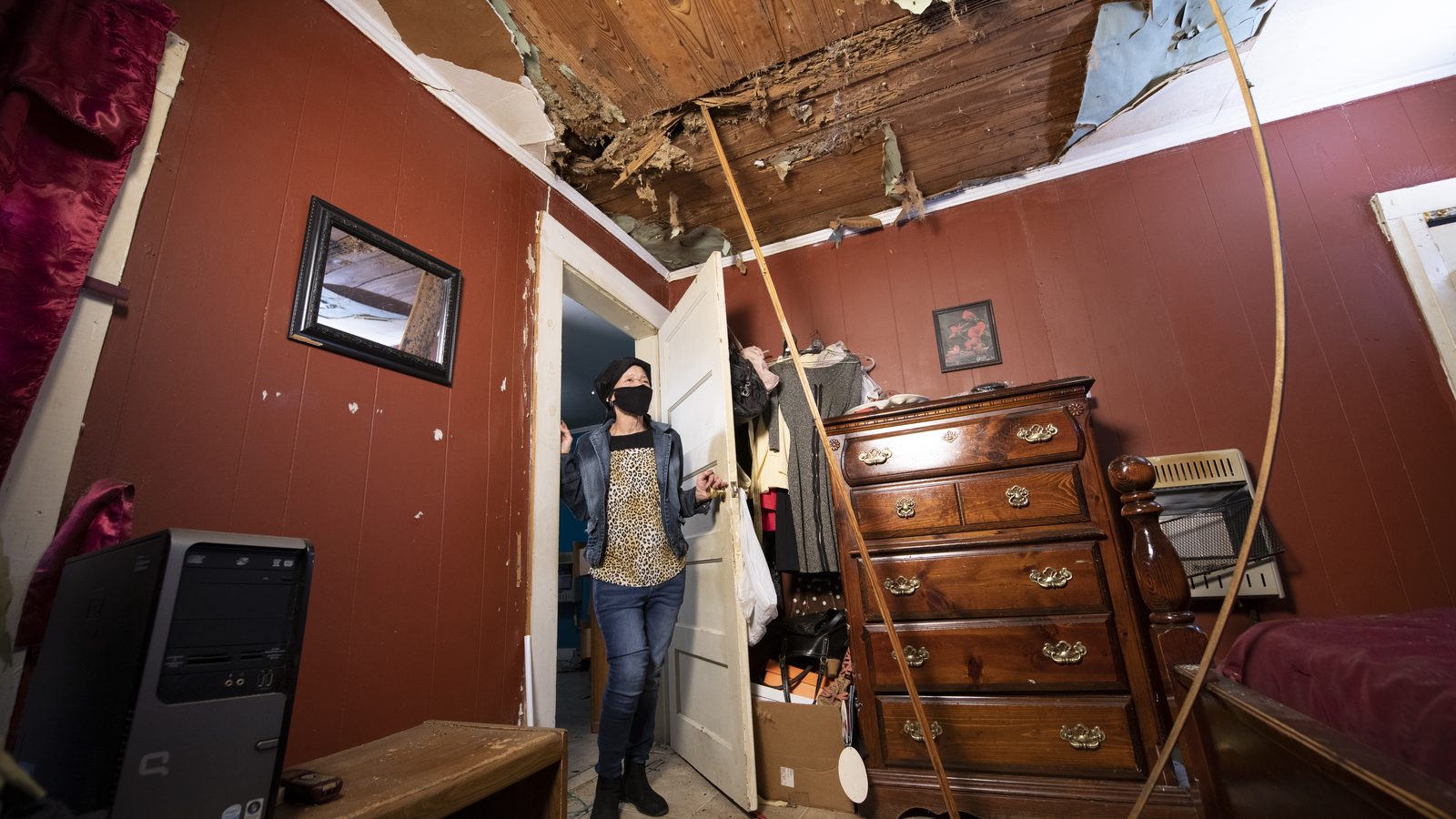
- Interior photos of any leak damage, taken before cleanup
That file is yours, and it helps you decide whether a claim even makes sense. The Texas Department of Insurance notes that an insurer may close a claim without paying if the damage is less than the deductible. Knowing the scope first helps you avoid that surprise. Our insurance claim documentation page shows how we organize it.
How do I report a roof claim to my insurance company?
Call your insurer or use its app, give the date of loss, and write down the claim number and your adjuster's contact information. Before or during that call, check two things in your policy:
- Your wind and hail deductible. TDI points out that policies may use a different deductible for wind and hail than for other losses. Many are written as a percentage of your dwelling coverage, so work out the actual dollar figure.
- Replacement cost or actual cash value. Replacement cost coverage pays up to the cost to repair the roof at current prices; actual cash value pays less when a roof is older or worn.
Your policy also sets how quickly you must give notice. Report promptly and ask your agent if you are unsure.
What happens when the insurance adjuster inspects my roof?
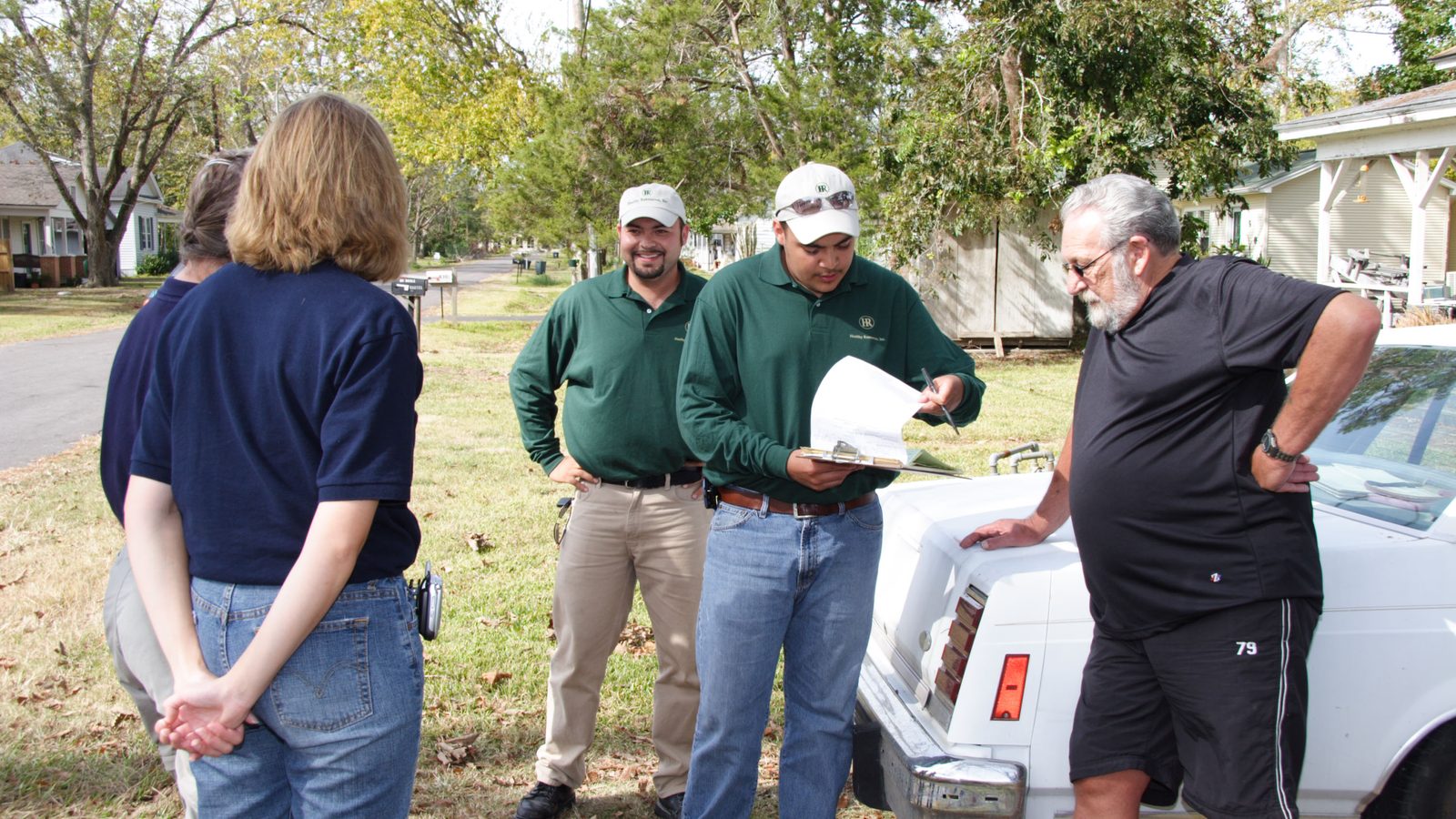
The adjuster walks or scopes the roof, photographs the damage, measures, and writes an estimate. TDI recommends you be there for the inspection and point out all the damage. You can also have your contractor present. When we attend, we bring our photo report and measurements, show the adjuster what we found, and answer roofing questions: shingle discontinuation, how many layers are on the roof, what code requires at the edges. We do not argue coverage. Two professionals looking at the same roof with the same evidence usually agree on far more than they disagree on.
How long does my insurer have to respond to a claim in Texas?
Texas sets deadlines. According to TDI, your company has 15 business days after getting what it needs from you to decide whether it will pay, and it can extend that by 45 days if it tells you why. If it rejects the claim, it must explain why in writing. After a widespread storm, expect the calendar to stretch toward those limits. If you believe your insurer is not following the rules, the TDI help line is 800-252-3439.
What if the insurance scope leaves something out?
It happens often, and it is not necessarily anyone's fault. An adjuster's first estimate may miss drip edge, starter strip, rotted decking found during tear-off, or items required by code. The normal fix is a supplement request: we photograph and measure the missing item and give you updated photos and a revised contractor estimate, which you send to your insurer and ask it to review. We don't negotiate the claim. The insurer decides. If you and your insurer disagree about coverage itself, that is a dispute for you, a licensed public adjuster or an attorney, not a roofing contractor.
How does the payment and deductible work?
On a replacement-cost policy, TDI explains that payment usually comes in two checks: a first partial payment, then the rest once repairs are underway or finished. The held-back amount is often called recoverable depreciation, and it is released when the insurer sees proof the work was done. That is why we photograph the finished roof and hand you a closeout file.
Your deductible is yours to pay. Texas Insurance Code Chapter 707 makes it illegal for a contractor to waive, rebate or absorb it, and insurers may ask for proof you paid. If a contractor offers to "take care of" your deductible, that offer puts you at risk too.
Texas roof claim questions
Can Storm Bolt Roofing talk to my adjuster for me?
We can meet your adjuster, share our photos and estimate, and answer technical roofing questions. We cannot represent you, negotiate your settlement or speak for you on coverage. The claim stays between you and your insurer.
What if the roof repair costs less than my deductible?
Then the insurer may close the claim without payment. Documenting first helps you see that before you file, so you can decide whether a claim is worth reporting.
What should I do if my roof claim is denied?
Ask for the reason in writing, which Texas requires. Review it against your documentation. For a coverage dispute, talk with a licensed public adjuster or an attorney, or call the TDI help line at 800-252-3439.
Want your roof documented before you decide anything? Book a free, photo-documented inspection or call Storm Bolt Roofing at 832-860-0262. If hail just hit, start with our after-the-hail checklist.