A roof claim supplement is a request asking your insurance company to review items that were left out of the first estimate on a claim, such as drip edge, starter strip, ice and water shield, items your local building code requires, or damaged decking found once the old shingles come off. On a Storm Bolt job, we give you the photos and a revised estimate. You send them to your insurer, and your insurer decides what, if anything, it adds.
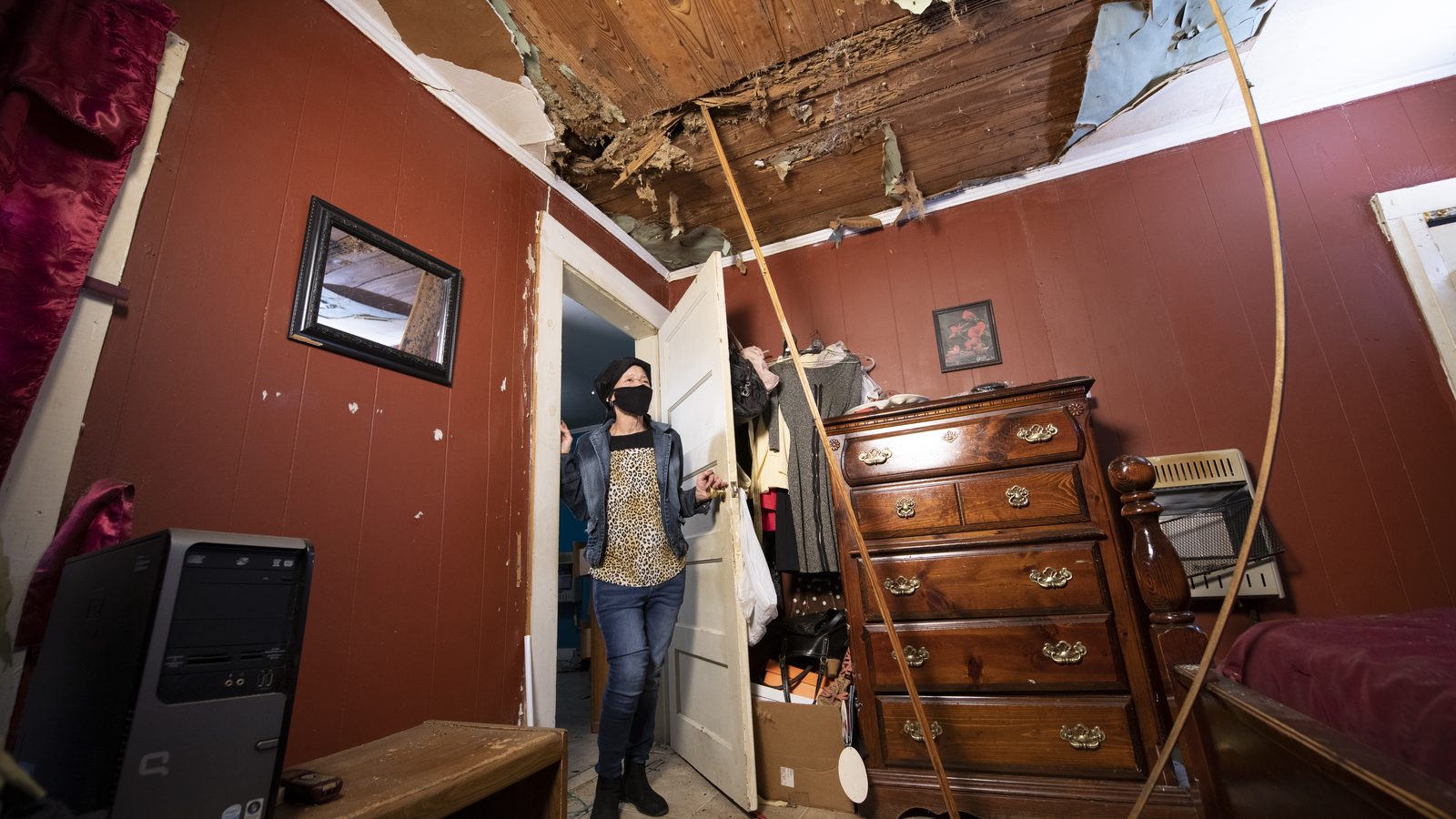
Most homeowners never hear the word "supplement" until the middle of a roof job. The adjuster's estimate came in, the claim was approved, and then the crew finds soft plywood under the shingles, or you notice the estimate has no line for drip edge. That does not mean anyone did something wrong. Estimates are usually written before tear-off, from what can be seen on the surface, so gaps are common. This guide explains what a supplement is, what tends to end up in one, and who does what.
What is a roof claim supplement?
A supplement is additional documentation, usually photos plus a revised or supplemental estimate, that asks the insurer to take another look at the scope of an existing claim. It is not a new claim, and it is not a promise of more money. The Texas Department of Insurance says that if you disagree with an adjuster's estimate, you should tell the company why, because the company may have overlooked something, and send supporting documentation such as a contractor's estimate for the repairs. A roof supplement is that same idea, applied to specific line items the first estimate did not include.
Supplements usually come up in two moments: when you first compare the insurer's estimate with a contractor's measurements, and during tear-off, when damage that was hidden under the shingles becomes visible.
Which roof items do first estimates commonly miss?
Every roof is different, and not every item belongs on every estimate. These are the items we most often see missing or undercounted:
Roof items first estimates commonly miss
| Item | Why it comes up |
|---|---|
| Drip edge | The 2021 International Residential Code calls for drip edge at the eaves and rake edges of asphalt shingle roofs. Where the locally adopted code requires it and the estimate leaves it out, it is a common supplement line. |
| Starter strip | Shingle manufacturers call for a starter course along the eaves and rakes. Some estimates price the field shingles but not the starter. |
| Ice and water shield | Houston rarely sees ice, but self-adhered underlayment is commonly used in valleys and around penetrations to resist wind-driven rain, often following the manufacturer's installation instructions. |
| Code-required items | Some items are required by the local building code when a roof is replaced, even if the old roof did not have them. Whether your policy pays for code upgrades depends on your policy, including any ordinance or law coverage. Your insurer decides. |
| Decking found during tear-off | Rotted, delaminated or broken sheathing cannot be seen until the shingles are removed. It has to be photographed and measured before new material covers it. |
| Flashing and accessories | Pipe jacks, vents, step flashing and ridge vent that have to be replaced to install the new roof correctly. |
| Quantities and conditions | Waste factor, extra layers of old shingles to remove, and steep or high roof sections that take more labor and safety equipment. |
How does the roof supplement process work?
How the roof supplement process works
| Step | Who | What happens |
|---|---|---|
| 1. Your insurer sends its estimate | Your insurer | Read it line by line, or ask us to go over it with you. |
| 2. We compare it with our measurements | Storm Bolt Roofing | We explain, in plain language, where the insurer's scope and ours differ. |
| 3. We document anything new | Storm Bolt Roofing | If hidden damage appears during tear-off, we photograph it in place, with wide shots that show where it is and close-ups that show the condition, and we measure it before it is covered. |
| 4. We give you the file | Storm Bolt Roofing | You receive the photos, measurements and a revised estimate that lists each added line item and the reason it is needed. |
| 5. You send it to your insurer | You | Use your adjuster's email or your insurer's claim portal, include your claim number, keep a copy and write down the date you sent it. |
| 6. Your insurer reviews it | Your insurer | It may approve all of it, part of it or none of it, or it may send an adjuster back out. At your request, we can be there during a re-inspection to answer construction questions. We don't negotiate. |
| 7. You get the answer | You | Ask for the insurer's decision in writing so you know exactly what changed. |
Who sends the supplement to the insurance company?
You do. The claim is between you and your insurer. Storm Bolt Roofing is a roofing contractor, not a public adjuster. We don't file, submit or settle claims on your behalf, and we don't negotiate with your insurance company. In Texas, representing a homeowner in a claim is the work of a licensed public adjuster or an attorney, not a roofer. If a contractor offers to take over your claim, treat it as a warning sign. Our role is the roof and the claim documentation behind it, which you are free to use however you choose. Our guide on public adjusters vs. contractors in Texas explains the difference.
What makes supplement documentation clear?
An adjuster reviewing a supplement was usually not on your roof when the problem was found. Good documentation lets them see what the crew saw:
- Before, during and after photos of each item, with a wide shot for location and a close-up for condition.
- Measurements, such as the square feet of decking replaced or the linear feet of drip edge and starter.
- Line items that match the insurer's estimate format, so the two can be compared side by side.
- A short reason for each item, such as the code section or the manufacturer's installation instructions.
- Dates and your address on every page.
Our article on how to document roof damage for insurance covers the photo side in more detail, and our insurance claim documentation page shows what is in a Storm Bolt file.
What if my insurer denies the supplement?
Ask for the reason in writing. Sometimes the insurer needs a clearer photo or a measurement. Sometimes the answer is that the item is not covered under your policy, and that decision is your insurer's to make. TDI's page on what to do if your insurance isn't paying enough lists your options, including appraisal if your policy has that clause, hiring a public adjuster, mediation and filing a complaint. You can also call the TDI Help Line at 800-252-3439. Our guide to a denied roof claim in Texas walks through each one.
One more rule: a supplement is never a way to cover your deductible. Texas Insurance Code Chapter 707 makes it illegal for a contractor to waive, rebate or absorb an insured's deductible. Every supplement line should describe real work on your roof.
Roof supplement questions
Is a supplement the same as filing a new claim?
No. A supplement adds documentation to an existing claim and asks the insurer to review items that were missed. If a new storm causes new damage, that is usually a separate claim. Ask your insurer if you are not sure which applies.
Does a supplement change my deductible?
No. Your deductible is set by your policy and stays the same. Only the approved scope can change, and your insurer decides whether it does.
What happens if the insurer does not approve an item?
Read your contract before work starts. It should explain how items your insurer does not approve are handled. We talk with you before doing any work outside the approved scope, so nothing is a surprise.
Starting a roof on a claim, or worried the estimate missed something? Book a free, photo-documented inspection or call Storm Bolt Roofing at 832-860-0262.