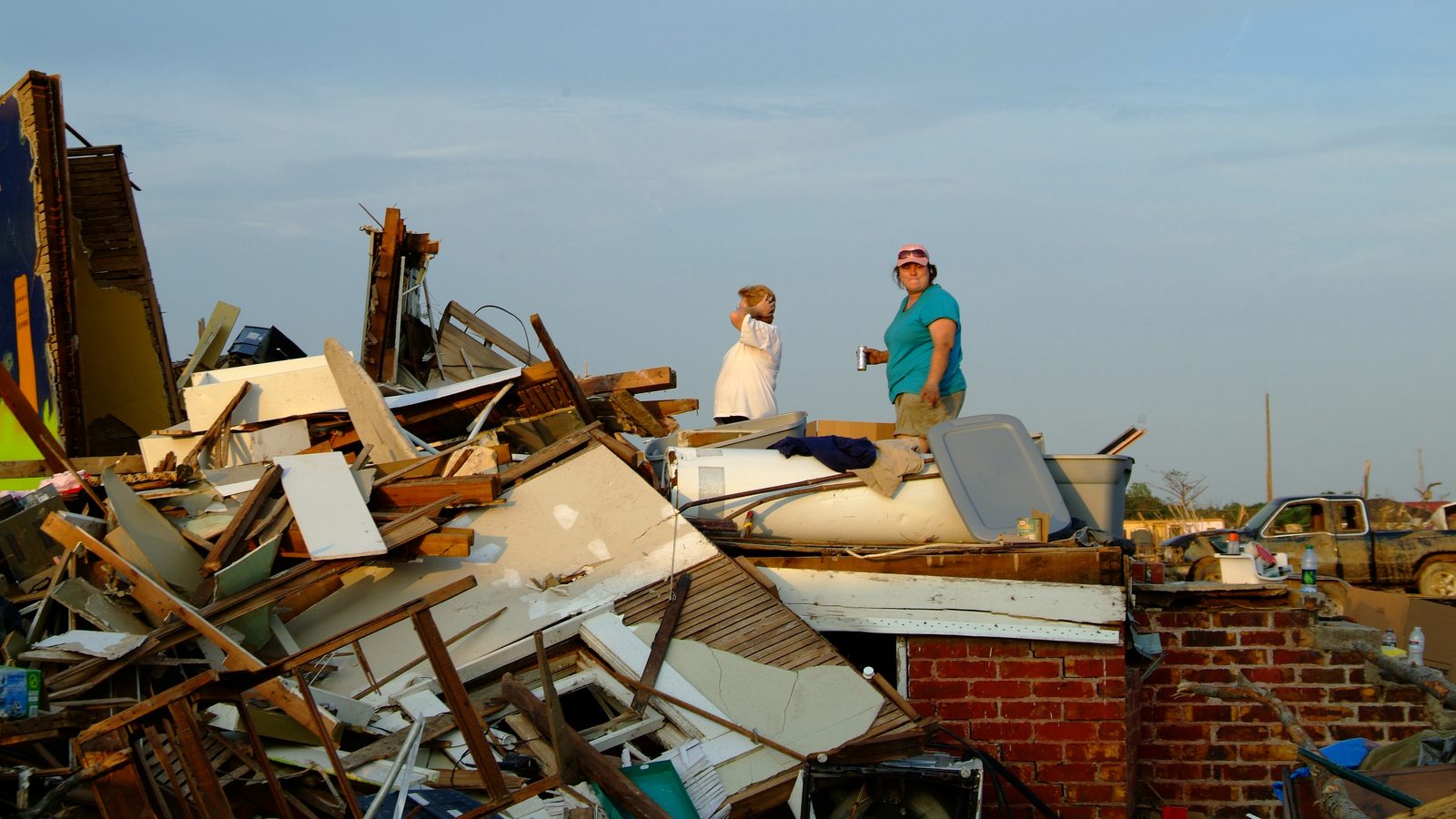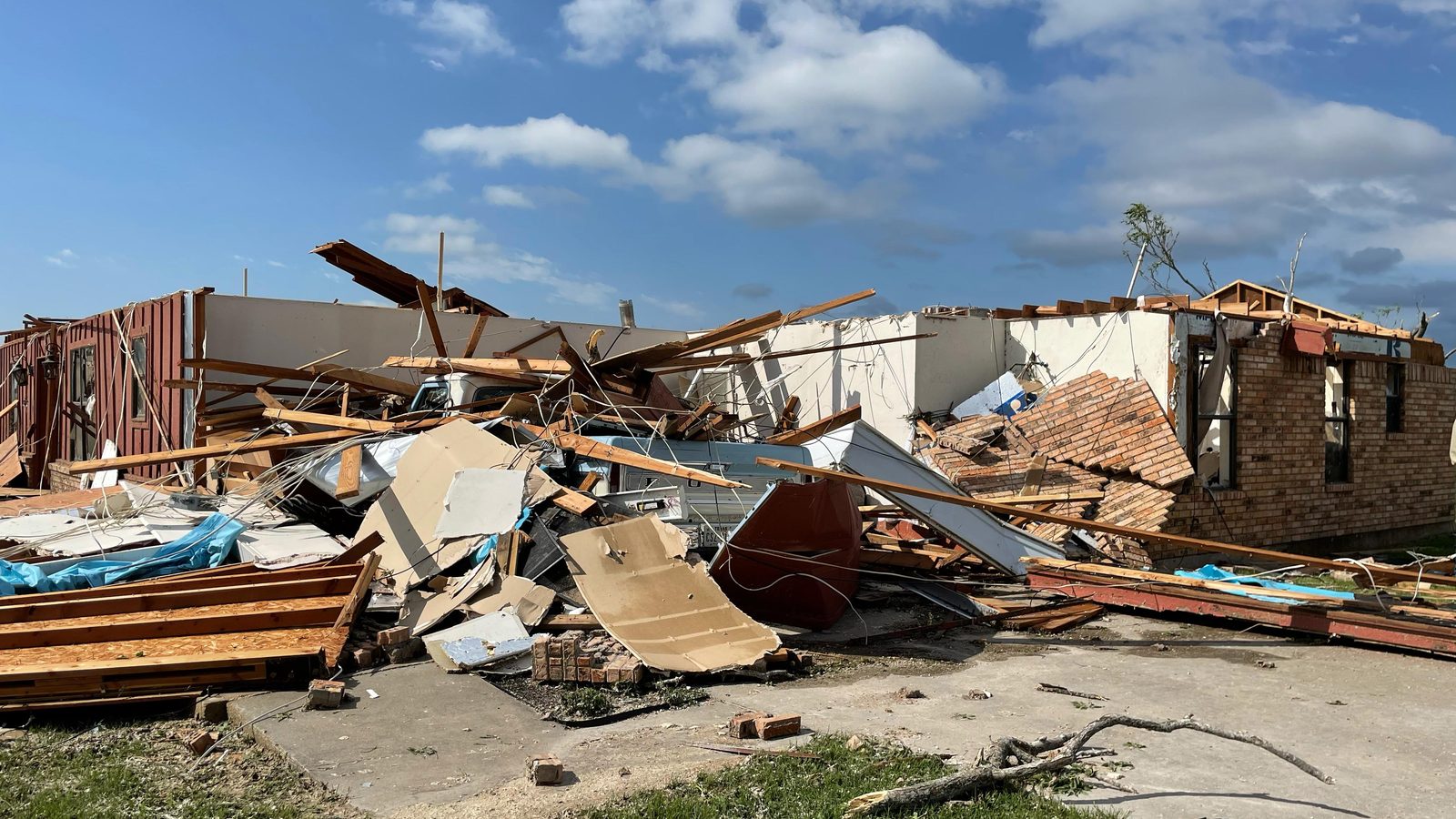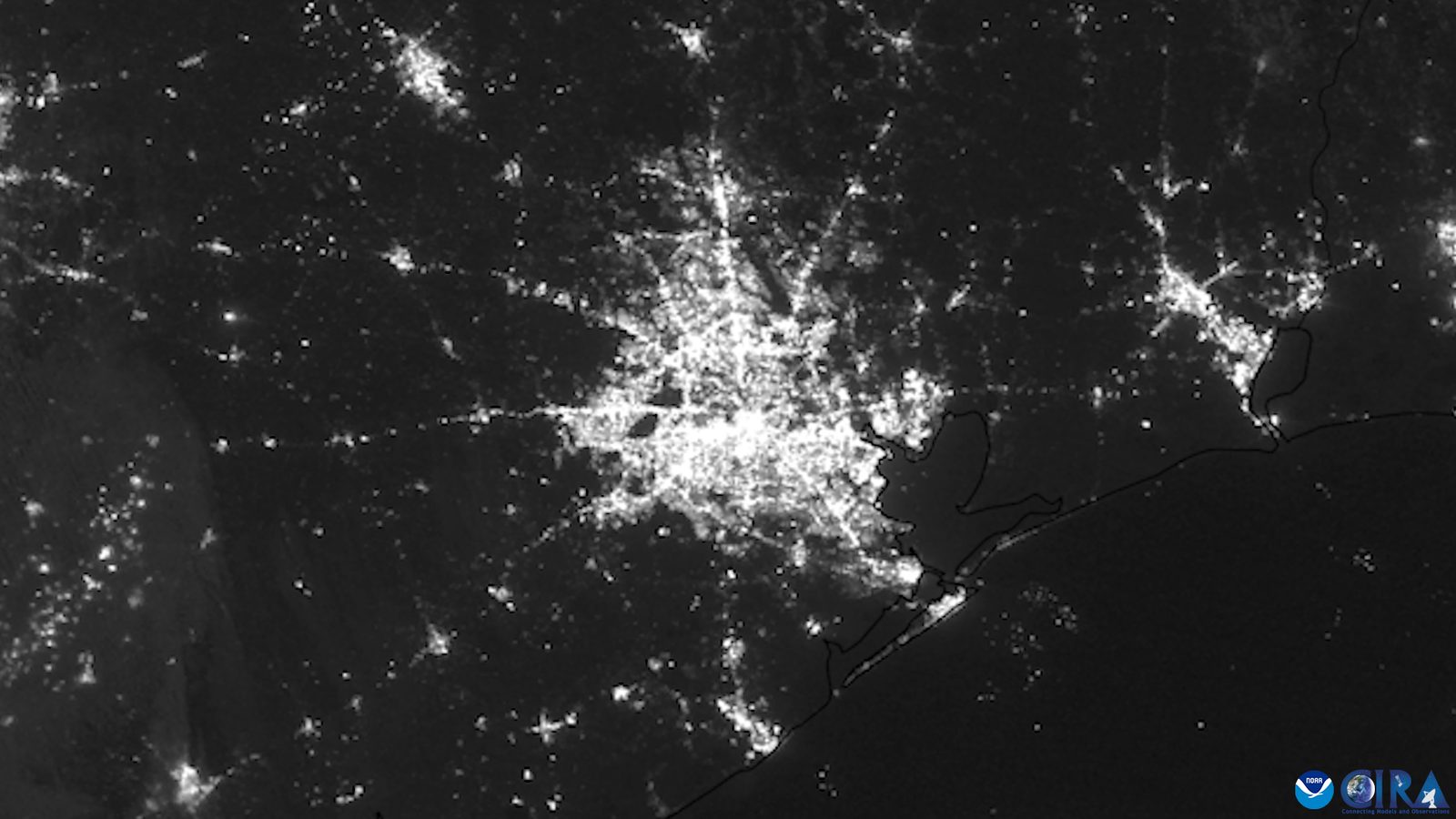
Straight-line winds are damaging thunderstorm winds that are not tornadoes, and a derecho is a long-lived, widespread windstorm made of them. On May 16, 2024, a derecho hit the Houston area with winds that reached about 100 mph, tearing roofs, toppling trees and knocking out power to nearly a million homes and businesses. Roof damage from these winds is usually creased, lifted or missing shingles, torn ridge caps and debris impacts. Check from the ground, protect the house from rain, and document everything before repairs.
Most people in Spring, Cypress and north Houston think of hurricanes as the big wind threat. The 2024 derecho was a reminder that an ordinary-looking line of spring thunderstorms can bring hurricane-strength gusts with very little warning. Here is what these storms are, what they typically do to a roof, and what to do in the first days after one.
What are straight-line winds?
NOAA's National Severe Storms Laboratory explains that damaging thunderstorm winds are often called "straight-line" winds to tell their damage apart from tornado damage. They come from air rushing down out of a thunderstorm and spreading out along the ground. NSSL classifies damaging winds as those exceeding 50 to 60 mph and notes they can reach up to 100 mph.
The name describes the damage pattern. A tornado twists debris in different directions. Straight-line winds tend to push trees, fences and roofing the same way across a wide area. That pattern is one of the things National Weather Service survey teams look at after a storm.
What is a derecho?
A derecho is a widespread, long-lived windstorm produced by a line or cluster of fast-moving thunderstorms. NOAA's Storm Prediction Center defines a derecho using these criteria:
- A swath of wind damage at least 250 miles (about 400 km) long.
- Wind gusts of at least 58 mph along most of its length.
- Several well-separated gusts of 75 mph or more.
SPC also notes that although derechos can cause destruction on the scale of tornadoes, the damage typically runs in one direction along a relatively straight path. That is why "straight-line wind damage" is the phrase you will hear.
What happened in the May 16, 2024 Houston derecho?
On the evening of Thursday, May 16, 2024, a line of severe thunderstorms moved across Southeast Texas and into Houston. The National Weather Service Houston/Galveston office lists the event as a derecho in its archive of major events. According to NASA's Earth Observatory, the storm brought destructive winds that reached 100 mph, shattered windows, tore roofs off homes, and toppled trees and power lines. Nearly one million homes and businesses in the Greater Houston area lost power, and roughly 50,000 customers in Harris County were still waiting for power on May 22.
The storm is a useful reminder for homeowners here: severe wind does not need a named storm, and it can arrive in minutes. It is also why damage from that night showed up across so many different neighborhoods at once.
What roof damage do straight-line winds cause?
Roof damage from straight-line winds
| Damage | What it looks like and why it matters |
|---|---|
| Creased shingles | Wind lifts a shingle tab and folds it back. It may lie flat again afterward, but a horizontal crease line across the tab shows it bent. Creased shingles can lose their seal and are prone to blowing off in the next storm. |
| Lifted or unsealed shingles | The adhesive strip lets go, leaving tabs that flutter in the wind even if nothing looks missing. |
| Missing shingles | Exposed underlayment or bare decking, often starting at edges, corners and ridges, where wind pressure is strongest. |
| Ridge and hip caps | Caps sit at the highest, most exposed point of the roof and are often among the first pieces to go. |
| Edge metal, flashing and vents | Loose drip edge, bent flashing, and damaged turbines or vent caps can let water in. |
| Debris impacts | Branches, fence boards and neighbors' patio furniture can puncture shingles and decking. A large limb or a whole tree is a different job; see our guide on what to do when a tree falls on your roof. |
Our article on wind damage to roofs in Houston has more on what creasing and lifting look like up close.
What should I do after a derecho or severe wind storm?
- Stay safe. Keep away from downed power lines and damaged trees. Do not climb onto the roof, especially while shingles and debris are loose.
- Write down the date and time of the storm and check National Weather Service reports for your area.
- Look from the ground for missing shingles, debris on the roof, bent gutters and shingle pieces in the yard. Use binoculars if you have them.
- Check inside. Look at ceilings and in the attic, with a flashlight, for water stains, drips or daylight.
- Stop the water. If the roof is open or leaking, a temporary tarp can limit further damage. In our preliminary ranges, an emergency tarp typically runs $350 to $950, confirmed on site. Our emergency tarp service page explains what is involved.
- Keep receipts for anything you spend to protect the house.
- Contact your insurer promptly if you believe you have damage. Coverage depends on your policy; your insurer decides.
- Get an inspection so someone can check the roof up close, including creased shingles that are hard to see from the ground.
Be careful with contractors who show up at the door right after a big wind event. Avoid anyone who pressures you to sign on the spot, asks for a large payment up front, or offers to cover your deductible.
How should I document wind damage to my roof?
- Photograph before anything is covered or moved. Take wide shots of each side of the house, then close-ups of damage.
- Photograph debris where it landed, including branches on the roof and shingles in the yard, before cleanup.
- Record interior damage, such as ceiling stains and wet insulation, with dates.
- Save a copy of the storm information for your date and area.
- Keep everything together: photos, receipts, your policy and any notes from calls with your insurer.
A roof inspection adds what you cannot safely see from the ground: slope-by-slope photos, measurements and an itemized scope. That is the claim documentation we provide; our storm damage page shows how an inspection works, and our guide to documenting roof damage for insurance goes step by step. Storm Bolt Roofing is a contractor, not a public adjuster, and your insurer decides coverage.
Straight-line wind and derecho questions
Is a derecho the same as a tornado?
No. A derecho is a long line of thunderstorms that produces widespread straight-line winds. Tornadoes are rotating columns of air. Derechos can include brief tornadoes, but most of their damage comes from straight-line winds.
Can straight-line winds damage a roof that looks fine from the ground?
Yes. Creased or unsealed shingles can lie flat after the storm and be hard to spot from below. They can lose their hold and blow off in the next storm, which is why an up-close inspection helps.
Does homeowners insurance cover straight-line wind damage?
Many policies cover wind damage, but coverage depends on your policy; your insurer decides. Check your wind and hail deductible, which may be different from your other deductibles.
Had strong winds come through your neighborhood? Book a free, photo-documented inspection or call Storm Bolt Roofing at 832-860-0262.