Photograph storm damage as soon as it is safe and before any cleanup or repairs: wide shots of every side of the house, close-ups of each damaged spot, interior stains and wet areas, and anything the storm hit around the yard. Write down the storm date, keep receipts for temporary repairs, and store copies off your phone. A roofer's photo documentation adds close-ups from on the roof, but your insurer's adjuster inspects the damage and your insurer decides the claim.
After a storm, most homeowners take a few quick photos and hope for the best. A little organization goes a long way. Clear, dated records help your insurer understand what happened, when it happened and how far the damage goes. Here is what to capture, what to keep and how the pieces fit together.
Why does documentation matter for a roof claim?
Your insurer has to connect the damage to a covered event on a specific date. That matters because the Texas Department of Insurance reminds homeowners that your insurance company won't pay for a new roof just because it's old or worn out. Good records help show what the storm did, as distinct from normal aging. They also help you keep track of your own deadlines and conversations. Our guide to roof insurance claim deadlines in Texas explains the timelines.
What photos should I take of roof damage?
Stay on the ground or inside. Do not climb onto the roof. Then work from wide to close:
- Turn on date and location stamps in your phone's camera settings, if available, and do not edit or filter the photos.
- Wide shots of all four sides of the house and roof, so each close-up has context.
- Mid-range shots of each damaged area: missing shingles, lifted edges, fallen limbs, damaged gutters.
- Close-ups with something for scale, such as a coin or tape measure, next to dents, cracks or debris.
- Ground-level clues such as shingle pieces in the yard, dented gutters and downspouts, damaged AC fins and torn window screens.
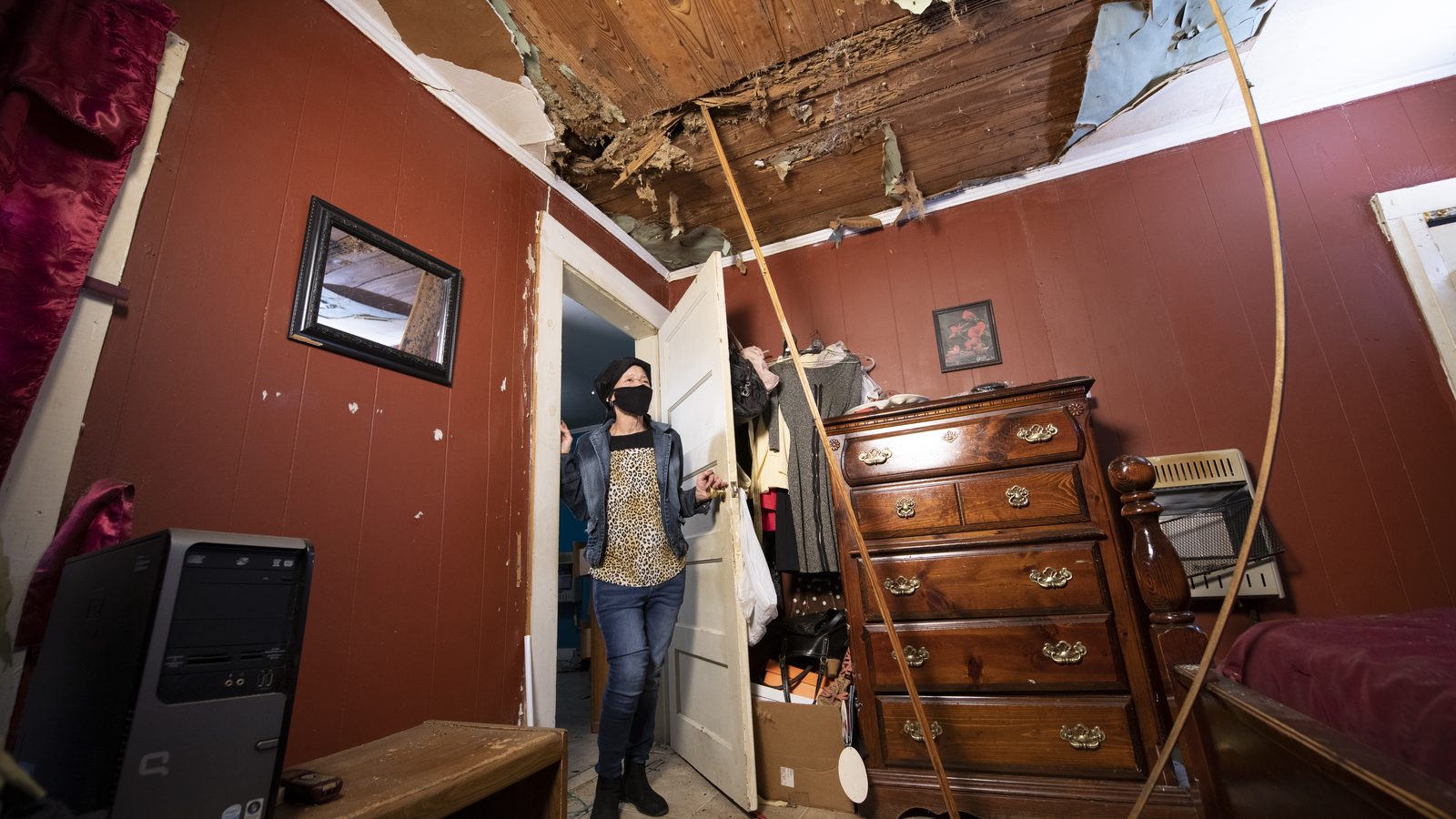
- Interior damage: ceiling stains, wet insulation you can see safely from the attic hatch, damaged walls, floors and belongings.
- Hailstones, if you can, photographed next to a ruler soon after the storm. You can keep a few in a freezer bag.
- A short video walk-through where you say the date and describe what you see.
What else should I record besides photos?
| Record | Why it helps | Tip |
|---|---|---|
| Storm date and time | Ties the damage to a specific event | NOAA's Storm Prediction Center posts daily storm reports, including hail sizes; note that all reports are preliminary |
| Receipts | Shows what you spent on tarps, water extraction, fans or hotel stays | Photograph paper receipts right away; they fade |
| Claim log | Keeps track of every conversation | Write the date, who you spoke with, and what was said, plus your claim number |
| Before photos | Shows the condition before the storm | Check old phone photos, real estate listings or an existing home inventory |
| Damaged belongings list | Supports the contents part of a claim | List the item, approximate age and where it was |
| Roof history | Helps answer questions about roof age and past repairs | Keep install paperwork and repair invoices together |
TDI recommends keeping a home inventory made with photos or video of each room, and storing it away from home or in cloud storage or email. The same idea works for storm photos: back them up somewhere other than your phone.
Can I make repairs before the adjuster comes?
Temporary ones, yes. TDI explains that it is generally OK to make temporary repairs, but not to make permanent repairs until you have talked to your insurance company, and to take pictures of the damage before doing any work. A tarp over an opening is a temporary repair. In our preliminary ranges, an emergency tarp typically runs $350 to $950, confirmed on site. Keep the receipt and photograph the damage before the tarp goes on.
What documentation mistakes should I avoid?
- Cleaning up first. Photograph debris, fallen limbs and shingle pieces where they landed before anything is moved.
- Only taking close-ups. Without wide shots, it is hard to tell where a close-up was taken.
- Keeping everything on one phone. A lost or broken phone can take your only copy with it.
- Waiting to report. Most policies expect prompt notice, and some signs of damage fade.
- Overstating. Point out old damage you already knew about. Accurate records are more credible than ones that blur old and new.
What does a roofer's photo documentation add?
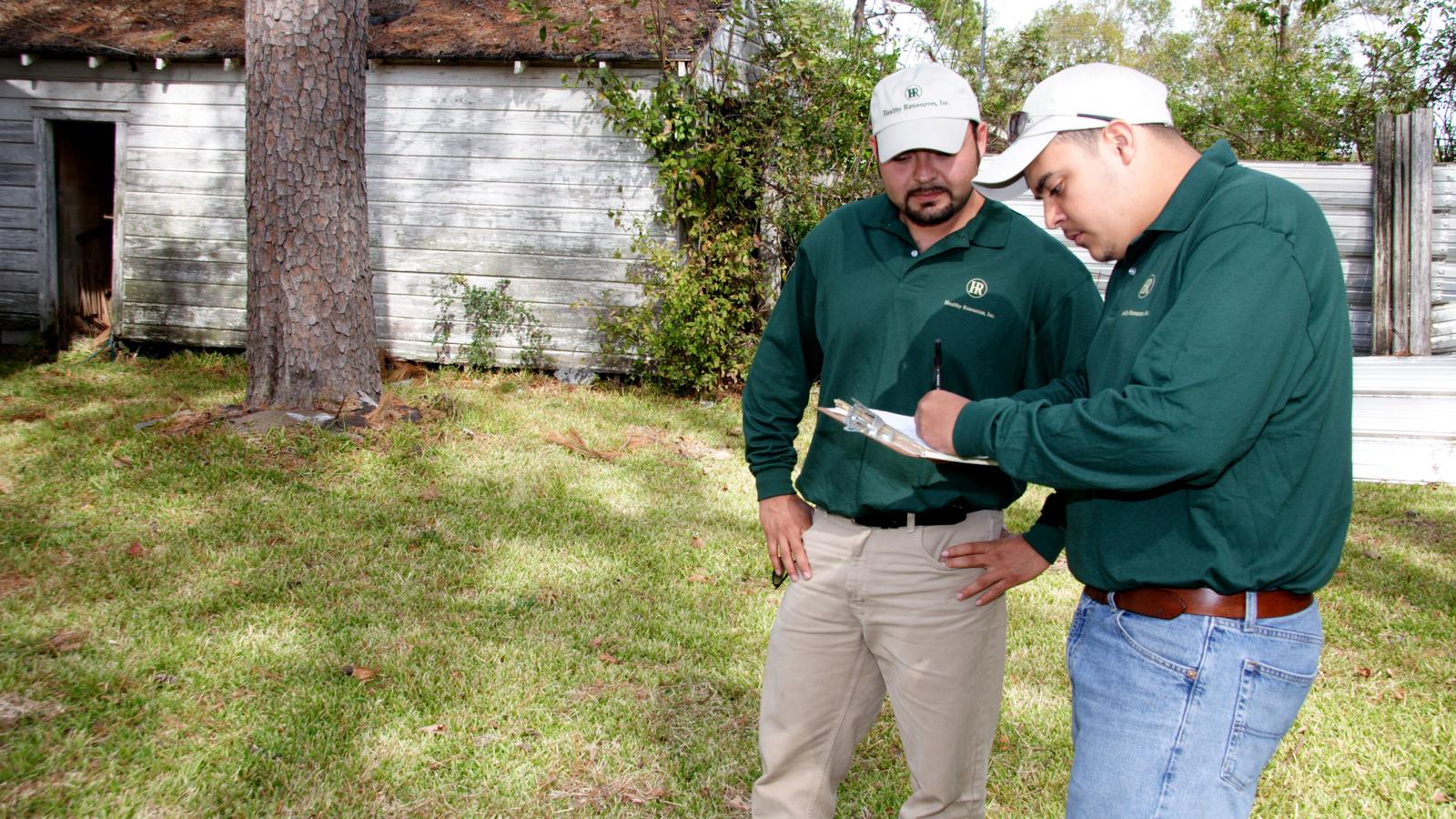
You can document a lot from the ground, but some damage is only visible up close on the roof. A roofer's inspection photos can add:
- Close-ups of individual shingles, ridge caps and flashing on each slope.
- Soft metals like vents and pipe boots, which can show storm marks clearly.
- Photos organized by slope or direction, so the pattern of damage is easy to follow.
- Attic photos of stains or daylight, where it applies.
- Notes on existing wear or old repairs, which helps separate storm damage from age.
Our free inspections come with photo documentation you can keep and share with your insurer if you choose. To be clear about roles: we are a contractor, not a public adjuster. Our photos are information for you; they do not determine coverage, and we do not negotiate with your insurer.
What does the insurance adjuster do?
After you report the claim, your insurer usually sends an adjuster to inspect the roof. The adjuster typically:
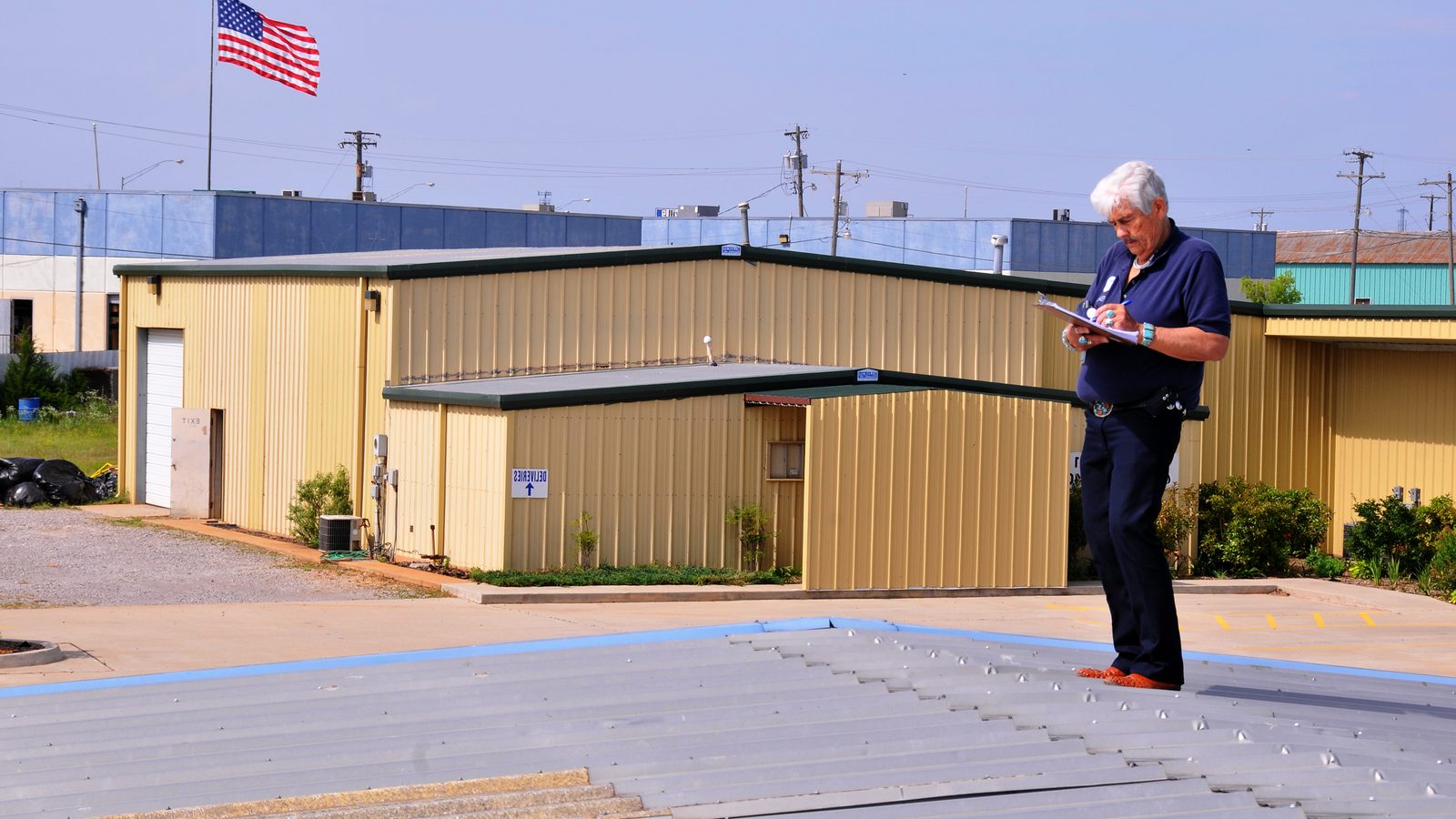
- Inspects the roof, often from a ladder, on the roof, or with a drone.
- Photographs and measures the damage.
- Looks at the interior and other damaged property.
- Writes up findings that your insurer uses to make its decision and prepare any estimate.
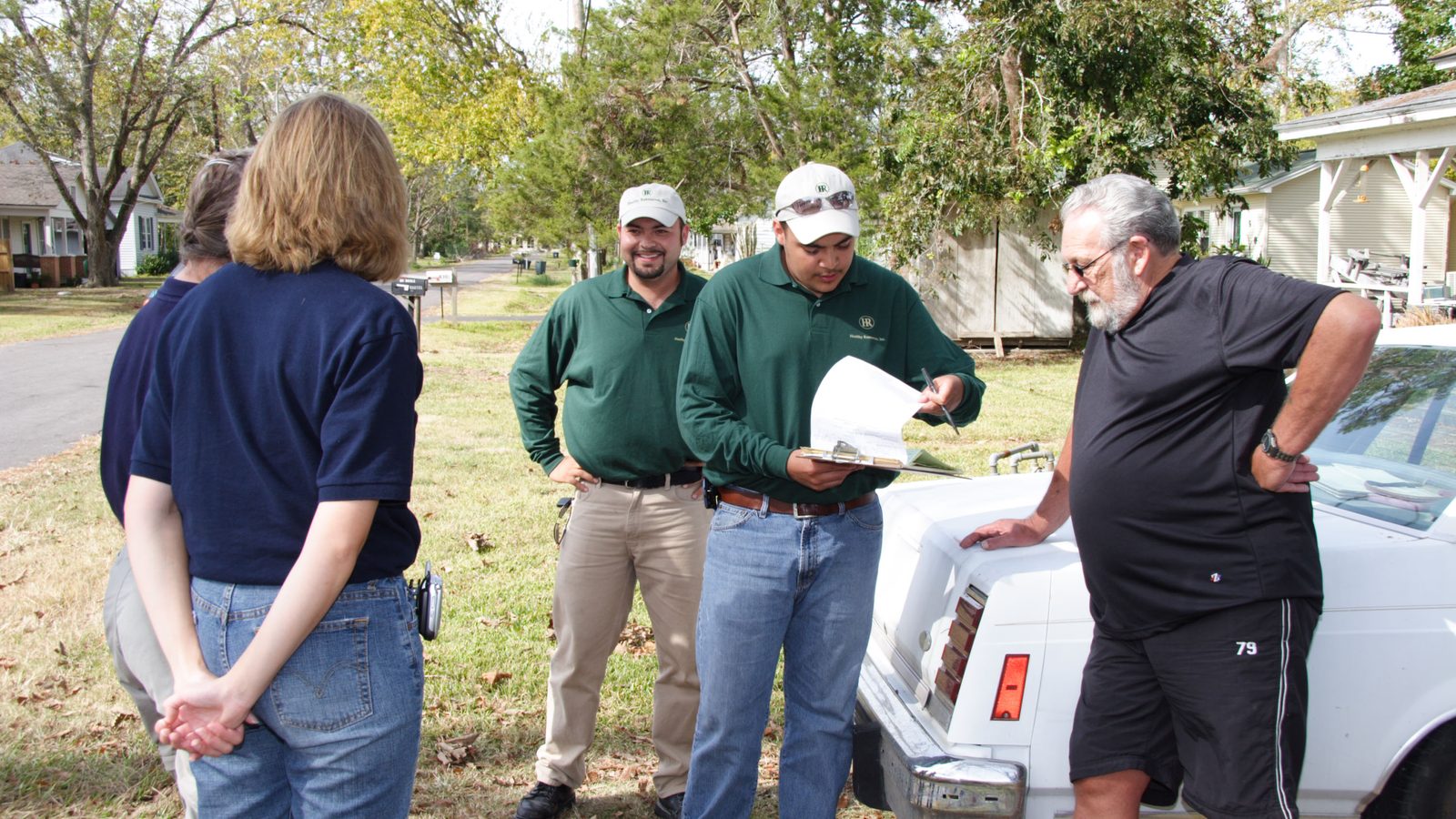
You can be there, share your own photos and records, and ask for a copy of the estimate. Your insurer decides what is covered and what is paid. Our guide to the roof adjuster inspection explains how to prepare, and our after-the-hail-storm guide covers the first days after hail.
Roof damage documentation questions
How soon after a storm should I take photos?
As soon as it is safe, and before cleanup or repairs. Some signs, like fresh marks on metal or debris in the yard, fade or get cleared away quickly.
Do I need to get on the roof to document damage?
No. Photograph what you can see from the ground, from windows and from inside. Leave the roof to a professional roofer or your insurer's adjuster.
Should I throw away damaged shingles or materials?
Not right away. Photograph them, and keep samples if you can until your insurer has inspected, or ask your insurer what they want you to keep.
Want the damage on your roof documented up close? Book a free, photo-documented inspection with no obligation. Storm Bolt Roofing serves Spring and Greater Houston, in English and Spanish.