Replacement cost value (RCV) coverage pays to repair your roof at today's prices, minus your deductible. Actual cash value (ACV) coverage subtracts depreciation for the roof's age and wear first, so an older roof can pay little or nothing. Your wind and hail deductible may also be a percentage of your dwelling coverage, not a flat amount.
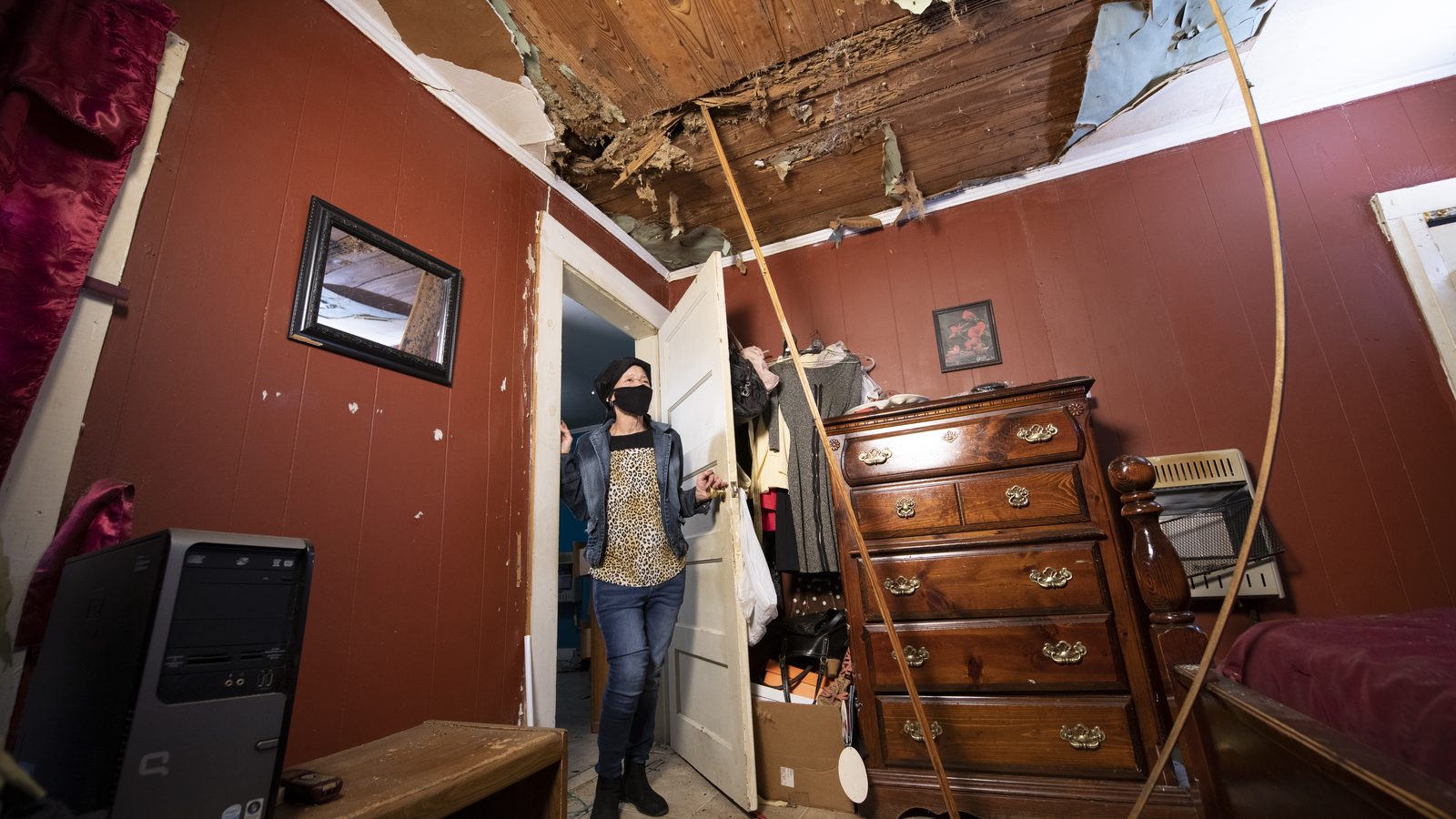
Most homeowners find out which kind of policy they have on the worst possible day: after a storm, holding an estimate from their insurer that is much smaller than they expected. We document storm-damaged roofs across north Houston, and the gap between what a roof costs and what a policy pays is one of the most common surprises we see. None of it is hidden. It is written on your declarations page. This guide explains how to read it before you need it.
What is the difference between ACV and RCV on a roof claim?
The Texas Department of Insurance puts it simply. Most policies pay to repair or rebuild based on current costs, which is replacement cost coverage. Other policies pay less based on the age and condition of the home, which is actual cash value coverage. TDI adds that ACV policies cost less, but also pay less when you have a claim.
The difference is depreciation. A roof loses value every year as its shingles age. Under ACV, the insurer estimates that lost value and takes it out before paying. Some policies apply replacement cost to the house but actual cash value to the roof specifically, often through a roof endorsement, so check the endorsements list and not only the coverage headline.
How much can depreciation change what a roof claim pays?
A lot, and TDI's own example shows it. Using a $10,000 roof and a 2% deductible of $4,000, TDI illustrates the outcomes below. These are TDI's figures, not ours, and your numbers will differ.
| Scenario (TDI example) | Policy pays |
|---|---|
| Replacement cost coverage, any roof age | $6,000 |
| Actual cash value, 5-year-old roof | $4,500 |
| Actual cash value, 10-year-old roof | $3,000 |
| Actual cash value, 20-year-old roof | $0 |
Source: TDI, Home policies: Replacement cost or actual cash value? In the 20-year example, depreciation brings the roof's value down to the deductible, so nothing is paid even though the damage is real.
How does a percentage wind and hail deductible work?
TDI tells homeowners to ask their agent whether the deductible for wind and hail is different from the deductible for other damage, because it often is. Many Texas policies write it as a percentage of your dwelling coverage (Coverage A), not of the claim. The math is simple once you see it:
- Find your dwelling coverage amount on the declarations page.
- Multiply it by the wind/hail percentage. For illustration, 2% of a $300,000 dwelling limit is $6,000.
- That dollar figure is what you pay on a covered wind or hail loss before the policy pays.
Because the deductible grows with your coverage, homeowners who raised their dwelling limit after remodeling or rising construction costs may have a larger deductible than they remember. And if you live on the coast or in parts of Harris County along Galveston Bay, TDI notes your home policy might not cover wind and hail at all; that coverage may come from a separate windstorm policy with its own deductible.
What is recoverable depreciation?
On a replacement cost policy, the insurer usually pays in two checks. The first is the actual cash value, minus your deductible. The held-back depreciation is released after you start or finish repairs and show proof. That second check is why documentation matters at the end of a job, not only at the start. Many policies also set a time limit for completing repairs to collect it, so read that clause and ask your adjuster for the date in writing.
What other roof clauses should I look for in my policy?
- Roof endorsements. Some policies pay roofs on a schedule based on age, or apply ACV only to the roof.
- Cosmetic damage exclusions. Some policies exclude hail dents that do not affect how the roof works, which matters most for metal roofs.
- Notice requirements. Your policy says how quickly you must report a loss.
- Discounts. TDI notes an insurer might give a discount for damage-resistant roofing. Whether yours does, and how much, is a question to ask your insurer.
Can a contractor help with my deductible?
No, and a contractor who offers is putting you at risk. Texas Insurance Code Chapter 707 makes it illegal for a contractor to waive, rebate or absorb an insured's deductible, and TDI warns homeowners to avoid contractors who offer to waive it. Your deductible is yours to pay. A contractor can help you understand the size of the loss so you can compare it with your deductible before you file.
What documentation helps on an ACV or RCV claim?
Depreciation is based on the roof's age and condition, so evidence of both helps the insurer get it right. Keep your roof's installation invoice, permit or warranty registration, and any photos of the roof in good condition. After a storm, a clear file of damage photos, measurements and an itemized scope helps you and the adjuster talk about the same roof. That is the work we do; our insurance claim documentation page shows what is in the file, and our guide to how roof claims work in Texas covers the whole process. Storm Bolt Roofing is a contractor, not a public adjuster, and your insurer decides coverage.
ACV, RCV and deductible questions
How do I know if my roof is covered at ACV or RCV?
Look at your declarations page and the list of endorsements, then ask your agent directly whether the roof is settled at replacement cost or actual cash value. Some policies treat the roof differently from the rest of the house.
Is the deductible taken out of my first check?
Typically yes. On a replacement cost policy, the first payment is usually the actual cash value minus your deductible, and recoverable depreciation follows after repairs. Ask your adjuster to explain the breakdown on your estimate.
Can I change from ACV to RCV coverage?
Ask your agent. Availability depends on the insurer and often on the roof's age and condition. It usually changes the premium, and changes typically take effect going forward, not for a storm that already happened.
Want to know the size of the loss before you decide on a claim? Book a free, photo-documented inspection or call Storm Bolt Roofing at 832-860-0262.