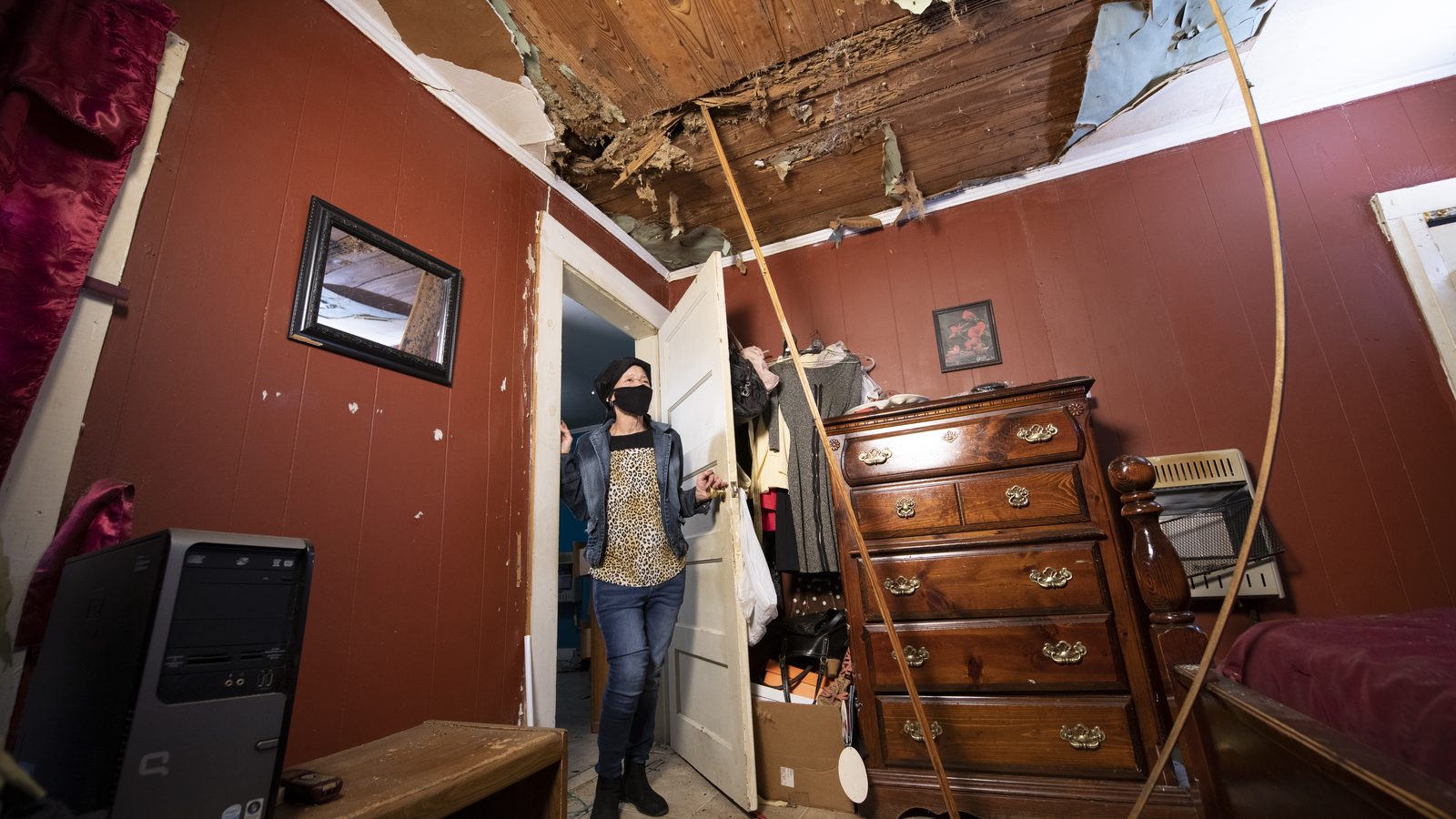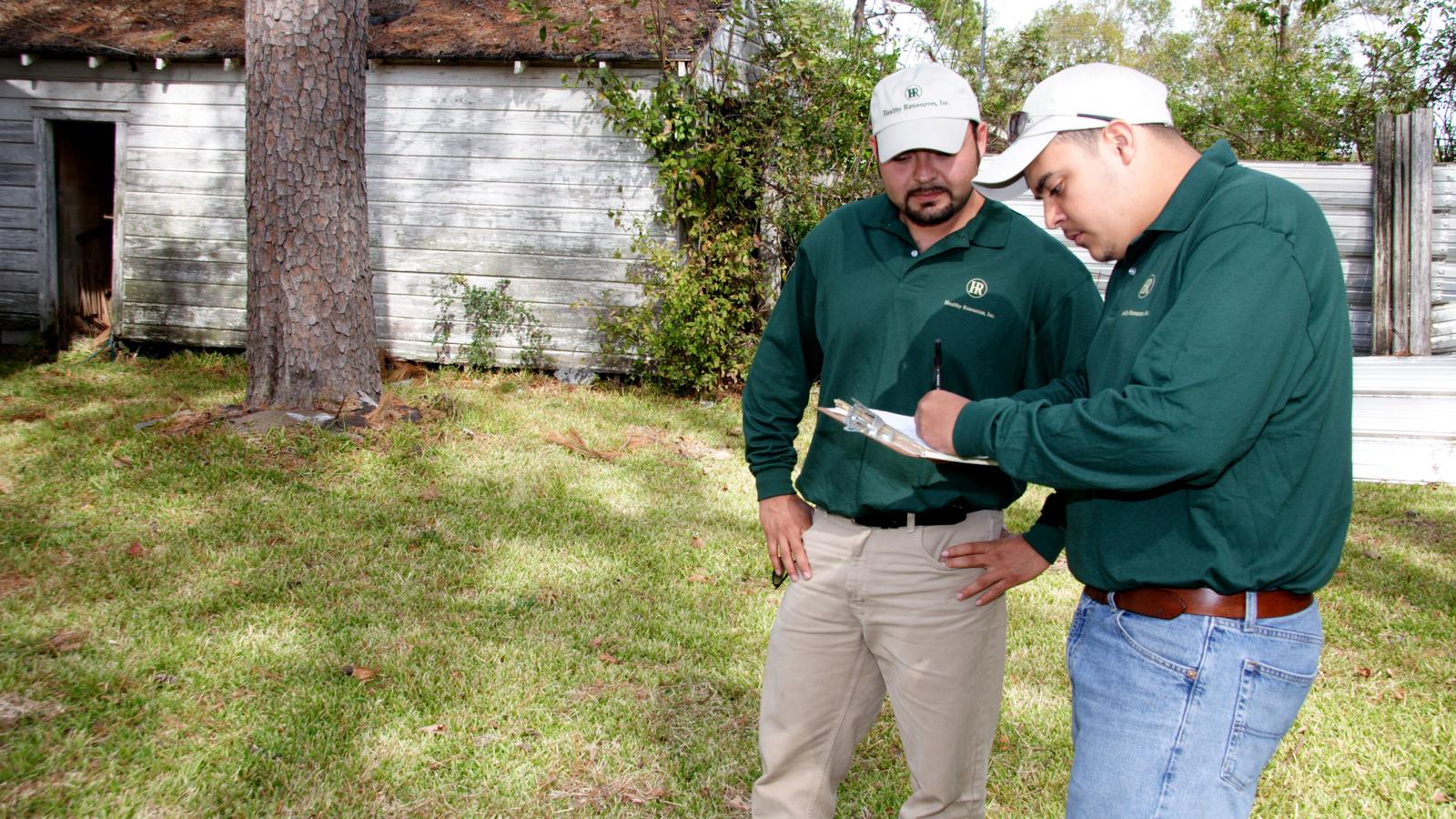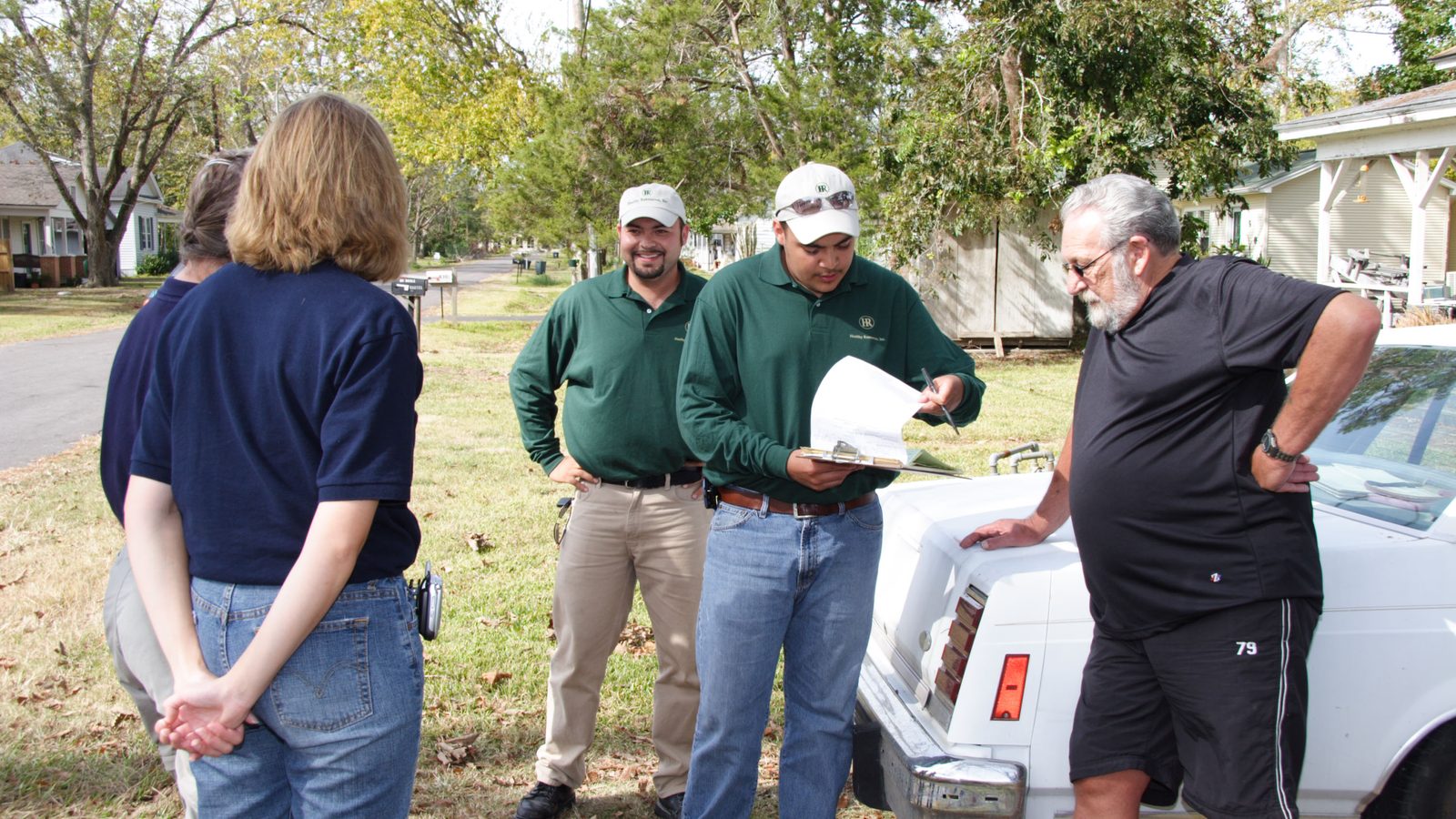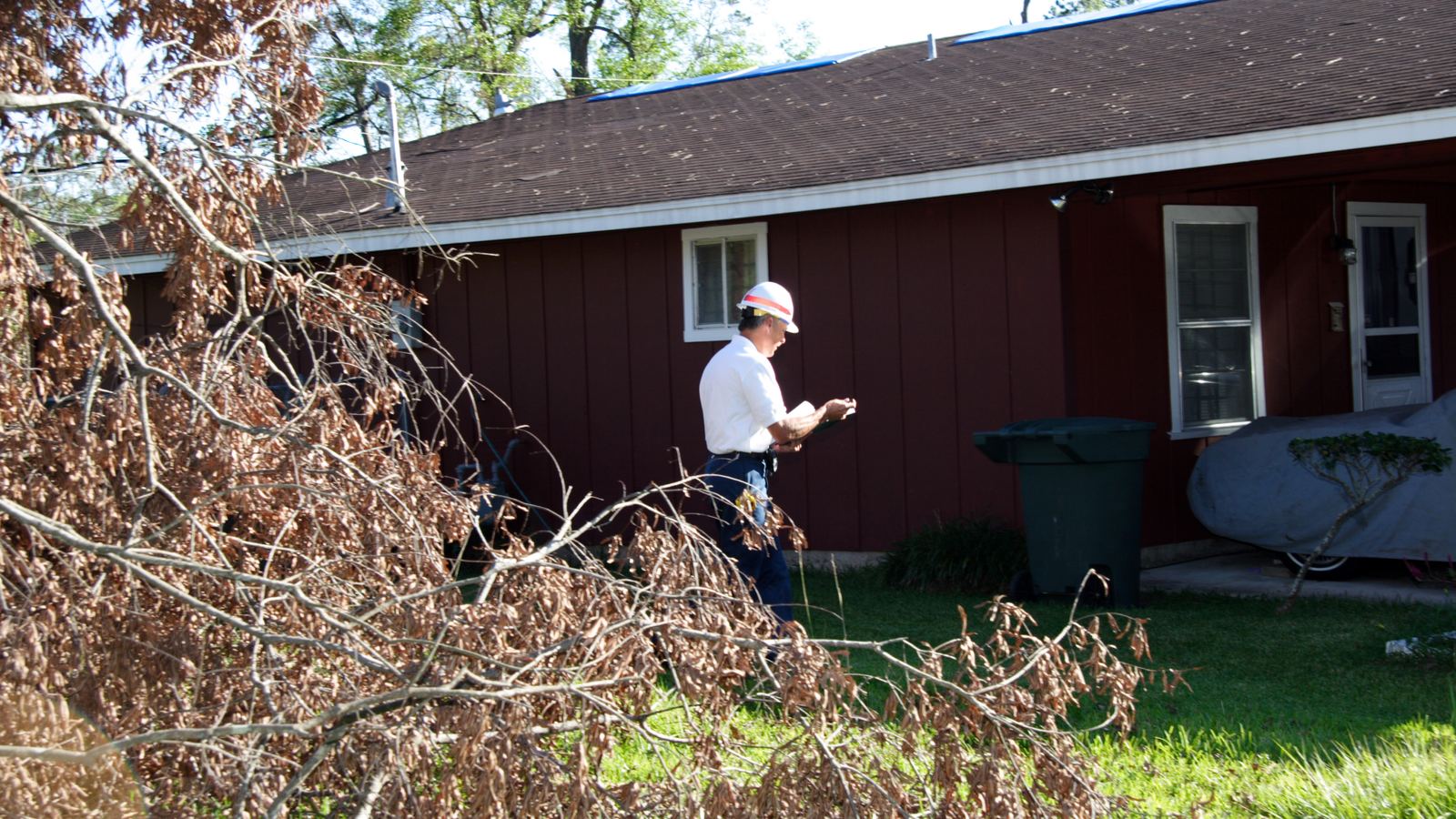
During a roof claim inspection, the insurance adjuster examines each slope, photographs and measures the damage, checks vents, flashing and gutters, looks at interior leaks, and then writes an estimate for the insurer. You can be there and have your contractor attend. The adjuster works for the insurer; your contractor's job is to show evidence, not argue coverage.
For most homeowners, the adjuster visit is the one part of a roof claim they can actually prepare for, and it shapes almost everything that follows. We attend these inspections across north Houston when homeowners ask us to, and the visits that go smoothly have one thing in common: everyone is looking at the same roof and the same evidence. Here is what to expect, step by step.
Who is the adjuster, and who do they work for?
The person who inspects your roof may be a staff adjuster employed by your insurance company or an independent adjuster the company hires, especially after a large storm when claim volume spikes. Either way, they work on behalf of the insurer, and they will probably be your main contact with the company, as TDI notes in its home insurance guide. That is different from a public adjuster, whom you would hire to represent you. Knowing who is who keeps expectations realistic.
How should I prepare for the adjuster's visit?
Preparation takes an hour or two and makes the inspection more complete. Use this checklist.
| Before the visit | Why it helps |
|---|---|
| Confirm the date, time and adjuster's name | After big storms, schedules shift; confirm the day before |
| Gather your own photos, dated, and the storm date | Shows what you saw before anything changed |
| Have your contractor's documentation ready | Photos by slope, measurements and an itemized scope |
| List interior damage room by room | Ceiling stains and attic damage are easy to forget |
| Keep damaged pieces found in the yard | Shingle pieces and metal help identify materials and damage |
| Unlock gates, secure pets, clear ladder spots | Every slope should be reachable |
| Make the attic access clear | Decking and leak paths are visible from inside |
| Keep receipts for emergency repairs | A tarp or water cleanup may be part of the claim |
What does the adjuster actually do on the roof?
Every adjuster has their own routine, but most inspections include these steps:
- A walk around the house. Checking gutters, downspouts, window screens, siding, fences and outdoor units for hail or wind marks, which help confirm the storm reached the property.
- Roof access by ladder, or by drone or imagery when the roof is steep or unsafe to walk.
- Slope-by-slope review. For hail, adjusters commonly mark a test area on each slope and count the hits inside it. For wind, they look for creased, lifted and missing shingles.
- Soft metals and accessories. Vents, pipe jacks, flashing, ridge caps and drip edge.
- Measurements. Squares, pitch, ridges, valleys, eaves and rakes, which drive the estimate.
- Interior and attic. Leak stains, wet insulation and decking.
Chalk marks on your roof after the visit are normal; they show what the adjuster counted or photographed. Some adjusters discuss preliminary findings on site, and others send everything later.
Should my roofing contractor be at the adjuster inspection?
You can choose to have your contractor there. TDI's guidance is to be available for the adjuster so you can make sure they see everything, and its home insurance guide suggests having your contractor present to discuss estimates. When we attend, we bring our photo report and measurements, point out damage we documented, and answer technical questions: how many layers the roof has, whether the shingle line is still made, what code requires at the edges, how the flashing is built.
What we do not do is argue coverage or negotiate. Texas does not allow a contractor to act as a public adjuster on a property it is working on, as TDI explains in Roofing and insurance: know the law. Two professionals looking at the same evidence tend to agree on most of it; where they do not, the evidence goes to the insurer to decide.
What should I avoid saying or doing during the inspection?
- Do not guess at dates, causes or past repairs. If you do not know, say so.
- Do not sign anything you do not understand, from the adjuster or a contractor.
- Do not agree to any arrangement about your deductible. Texas Insurance Code Chapter 707 bars contractors from waiving, rebating or absorbing it.
- Do not make permanent repairs before the inspection, beyond what is needed to prevent further damage, such as a tarp.
- Do stay courteous. The adjuster may be working long days after a storm, and a calm, organized visit helps everyone.
What happens after the adjuster leaves?
The adjuster's report goes to the insurer, which decides the claim and sends you an estimate. Texas sets deadlines for that decision, which our guide to how roof claims work in Texas explains. When the estimate arrives, compare it line by line with your contractor's scope: the number of squares, the slopes included, drip edge, starter, ridge, vents, flashing and any code items. If something is missing, we can give you photos, measurements and a revised contractor estimate that you can send to your insurer to ask it to review the item. If you disagree about coverage itself, that is a matter for you, a licensed public adjuster or an attorney.
Adjuster inspection questions
Do I have to be home for the adjuster inspection?
Not always, but TDI recommends being available so you can make sure the adjuster sees everything. Being there also lets you point out interior damage and ask questions while the adjuster is on site.
How long does an adjuster's roof inspection take?
In our experience, a typical single-family roof takes about an hour, sometimes more for steep, complex or heavily damaged roofs, or when interior damage also needs review.
Can I ask for a second inspection if I think something was missed?
Yes, you can ask your insurer for a re-inspection, ideally with specific photos and measurements of what you believe was missed. The insurer decides whether to send someone again.
Have an adjuster visit coming up? Book a free, photo-documented inspection first so you know what is on your roof, or call Storm Bolt Roofing at 832-860-0262. We can walk you through the visit in English or Spanish. See how our inspections work on our inspection day page.